logo
Un buen precio. en línea

detalles de productos

Created with Pixso. En casa Created with Pixso. Productos Created with Pixso.
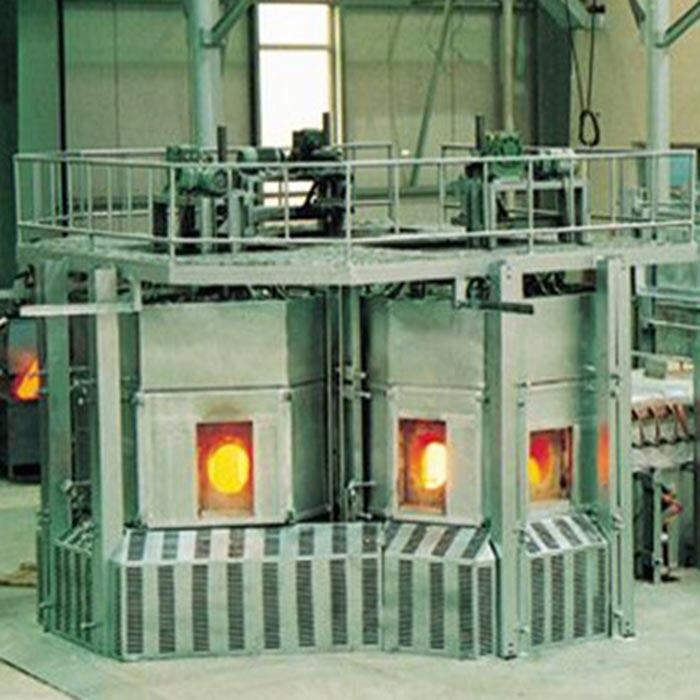
Horno de cristal eléctrico
Created with Pixso. Customized Energy Saving Electric Glass Furnace for Glass Industry

Customized Energy Saving Electric Glass Furnace for Glass Industry

Nombre De La Marca: JEFFER
Número De Modelo: Personalizado
Moq: 1 juego
Precio: Negociable
El Tiempo De Entrega: 90 días después de recibir el pago inicial
Términos De Pago: T/T, L/C
Información Detallada
Lugar de origen:
Porcelana
Certificación:
ISO9001,ISO14001,ISO45001
Nombre:
Horno de vidrio eléctrico
Material:
Material refractario
Capacidad:
Personalizado
Condición:
nuevo
CONSUMO:
Ahorro de energía
Solicitud:
Industria del vidrio
Clase de combustible:
electricidad
Voltaje:
380V
Garantía:
un año
Servicio postventa:
Ingeniería de servicio en el extranjero disponible
Detalles de empaquetado:
Caja de madera, bandeja, estructura de acero, etc.
Capacidad de la fuente:
1 fijado por 3 meses
Resaltar:

customized electric glass furnace

,

energy saving glass furnace

,

industrial electric glass furnace

Descripción del Producto

Customized Energy Saving Electric Glass Furnace for Glass Industry


1.  Brief introduction


Electric glass furnaces, also known as electric glass melting furnaces, use electrical energy as the primary heat source to melt raw materials into glass. These furnaces operate by inroducing electric current through electrodes into the molten glass, which generates internal heat and facilitates the melting process. This method allows for precise temperature control and minimizes heat loss, making electric furnaces more efficient than conventional flame-heated systems.

In 1902, Voelker was granted a basic patent for melting glass using the heat generated by an electric current through the batched material. Under the continuous development and improvement of the furnace design technology and electrode, this electric melting method is extensively used. Between the year 1920 to 1925, Raeder from Norway used graphite electrode for furnace, which has successfully achieved a fully electric furnace.

In 1925, Corneljus from Sweden took this kind of electric furnace to produce amber glass and green glass. The electric melting furnace adopts the method of blanket charging and the batching material floats on the surface of glass liquid

Glass is an electric conductor under high temperature. There are alkali metal and potassium ions in melted glass liquid. These two ions have conductivity, when the electricity through the glass liquid, the joule heat will be produced, if there are enough calories produced, it can melt the glass, which is called “Glass Electric Melting”.


2. Application


NO.

Categories

1.

Wine glass/bottle glass

2.

Vase glass

3.

Opal tableware/lighting glass

4.

Glass toughening/tempered glass production

5

Solar tube glass processing


3. Advantages of the electric melting:  


Item

Description

1

High thermal efficiency, up to 80%-85%

2

More engergy saving

3

Small footprint

4

Simple structure

5

No pollution

6

Lower noise level

7

Less maintenance cost


4. Furnace structure


Item

Description

1

Melting tank

2

Throat

3

Forehearth

4

Spout


5. Melting section of electric furnace


Using cooling top vertical melting type theory, which will concentrate the melting process. The design of melting area is benefited for glass melting and homogenization. no death zone in melting scope will ensure the melting efficiency of glass materials and clarification, producing high quality glass liquid.


FAQ


Q: Who we are?

A: JEFFER Engineering and Technology Co., Ltd is a professional engineering company specialising in project design, engineering technology consulting, engineering, procurement, construction (EPC), and project operation management.


Q: Can you offer design service?

A: Yes, we could design full solution drawings as per your requirements.


Q: Do you offer installation on site overseas?

A: Yes, we can provide our engineer to supervise the installation work on site or provide the the whole installation team on site to finish the project.